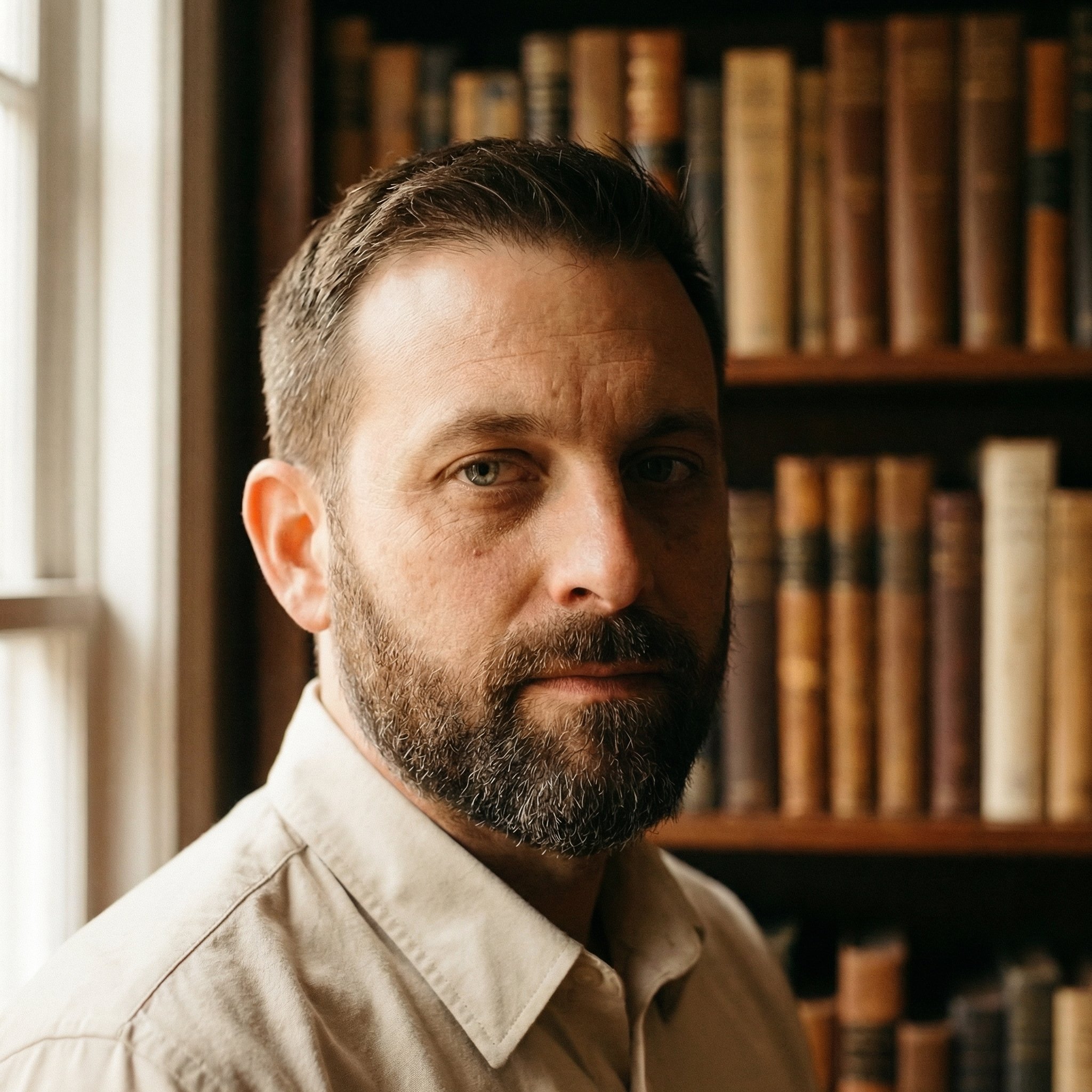
The Twelve Who Shape the Future
The people whose decisions about AI will determine how the rest of us live with it.

In December 2025, Time magazine named eight AI leaders as its collective Person of the Year, calling them the "Architects of AI." The selection reflected a reality that had been building for years: a small number of people are making decisions that will reshape the global economy, the labor market, and daily life for billions.
This essay profiles twelve of them. The list is opinionated. It prioritizes the people whose current decisions carry the most consequence for how AI develops and who benefits from it, not simply who runs the largest company or commands the most media attention. Some names will be familiar. Others may be new. All of them are worth knowing because their choices, in the next two to five years, will shape whether AI becomes a tool that widens opportunity or one that concentrates it further.
The Builders
The people constructing the models and platforms that everyone else builds on.
The Infrastructure
The people who build the physical and computational foundation that AI runs on.

The Thinkers
The researchers and philosophers shaping how we understand what AI means and what it should become.
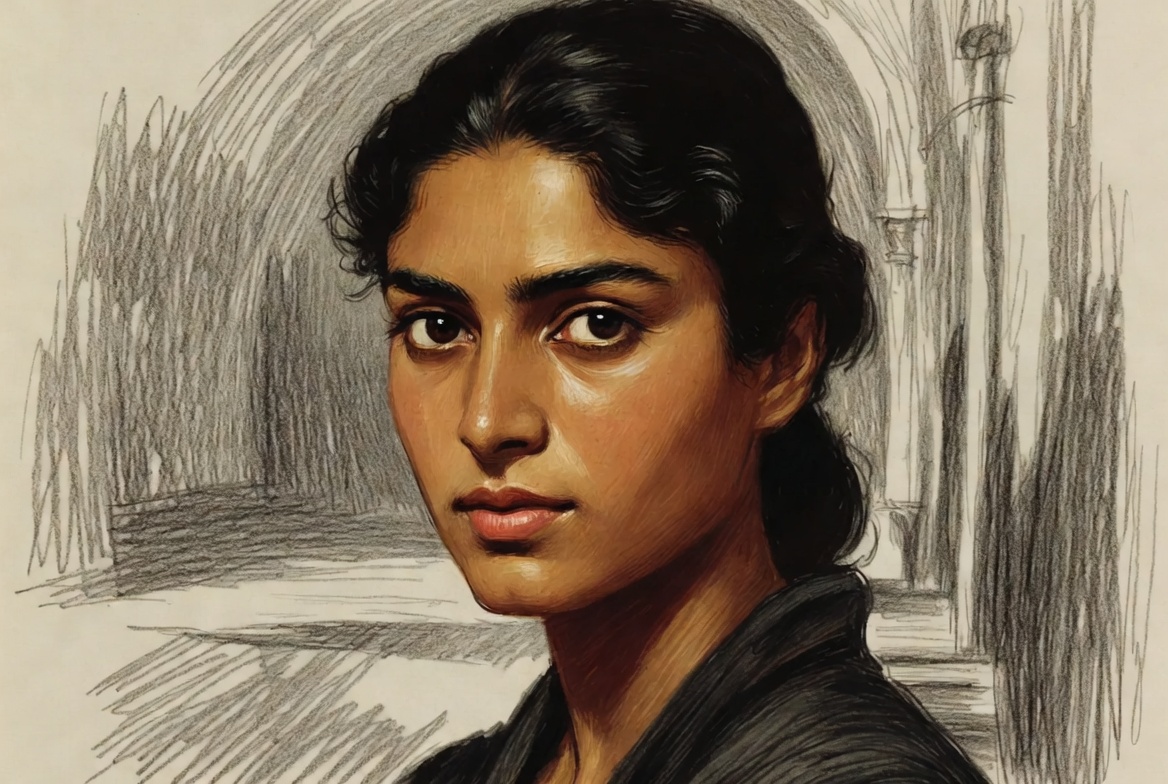
I spent three years on the Hill trying to explain AI to senators who could barely operate their phones. The industry lobbyists would come in with slide decks about innovation and job creation, and my job was to translate: here's what this actually means, here's who it affects, here's what they're not telling you. Most days it felt like I was whispering into a hurricane.
What changed was when the major labs started testifying publicly. Suddenly the people on this list had faces and names. Senators could see that five or six individuals were making decisions that affected more people than most legislation. The power concentration became impossible to ignore once you could point to specific humans and say: this person decided to release this model, and here's what happened next.
I left government last year because I realized the real leverage was on the research side. These twelve people, their equivalents in five years will be different names, but the dynamic won't change. A small group making enormous decisions with global consequences. The question is whether the rest of us learn their names and understand their choices, or whether we just live with the results.
The Power Brokers
The people whose decisions about policy, investment, and deployment determine who gets access to AI and on what terms.
Why These Twelve
This list is a snapshot. In two years, some names will have faded and new ones will have emerged. The pattern will persist.
The concentration of decision-making power in AI is unusual even by the standards of the tech industry. In previous technology waves, influence was distributed across many companies, open standards bodies, and government agencies. AI's influence is concentrated because the technology itself is concentrated: only a handful of organizations have the capital, talent, and computational resources to build frontier models. The decisions of the people who lead those organizations ripple outward into every industry, every economy, and eventually every household.
That concentration is the most important fact about AI governance in 2026. It means that the values, priorities, and blind spots of a small group of mostly American, mostly male technologists are encoded into systems that serve billions of people. Some of them, like Fei-Fei Li and Dario Amodei, think deeply about that responsibility. Others are primarily competing to build the most powerful system as fast as possible. The rest of us have a stake in knowing which is which.
Time's 2025 Person of the Year was not an individual but the "Architects of AI" collectively. The editorial choice itself made the point: AI's story in 2025 was shaped by the decisions of specific people, and those people were, for the first time, as consequential as any head of state.
Know Their Names
These twelve people are building the technology that will define the next era of human civilization. Their choices about safety, access, pricing, and transparency will determine whether AI narrows the distance between the powerful and everyone else, or widens it. Learn their names. Understand their incentives. Watch their decisions. Because whether you follow AI closely or barely think about it, the world these twelve are building is the one you'll live in.